ASTRO BOT'S GAME OF THE YEAR WIN SENDS AN IMPORTANT MESSAGE TO THE INDUSTRY ASTRO BOT GANHANDO JOGO DO ANO MANDA MENSAGEM IMPORTANTE PARA A INDÚSTRIA
-Date: 2024-12-19 · Games · Industry · Awards Games · Indústria · Premiações
ENTRY DATADADOS DA ENTRADA
◀ Back to Blog◀ Voltar
ENTRY DATADADOS DA ENTRADA
DateData 2024-12-19
Tags Games · Industry · Awards Games · Indústria · Premiações
Status PublishedPublicado

Unfortunately, gamers and influencers were unable to understand what happened.

Astro Bot took the Game of the Year award at The Game Awards 2024, and a good share of players and influencers are still trying to work out how that happened. For many it was an unexpected result, even a disappointing one. After all, how did a relatively simple, short game end up ahead of billion-dollar open worlds, cinematic narratives, ultra-realistic graphics and games with complex mechanics?
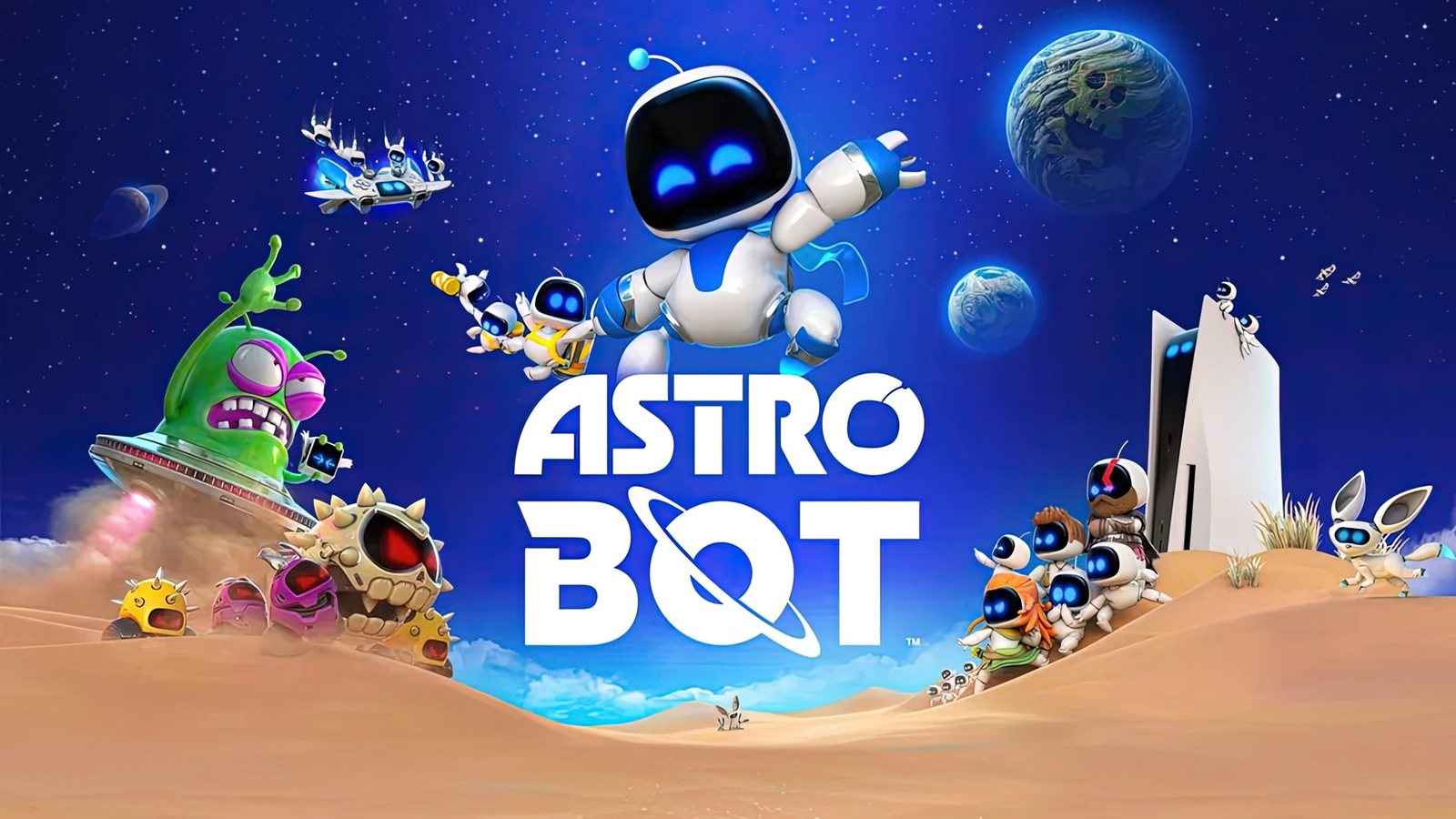
Astro Bot key art: the small white and blue robot leaping above a desert landscape, surrounded by dozens of other bots, alien creatures and a PlayStation 5 console standing like a monolith.
Image: PlayStation

The competition was full of them, and it was especially heavy this year: Black Myth: Wukong brought impeccable graphics and art direction, as well as introducing Chinese mythology as a viable basis for a hit game even in the Western market; Metaphor: ReFantazio delivered everything Studio Zero has to offer in narrative and gameplay in a new package; Final Fantasy VII Rebirth continued the remake of the saga that marked a generation; and Elden Ring's expansion, Shadow of the Erdtree, showed that the impeccable quality of FromSoftware's productions can make a DLC go toe to toe with its competitors' full releases; and with singular mechanics and masterful execution, Balatro — made by a single developer — went head to head with the giants of the industry. Not to mention games like the Silent Hill remake, which were left out but would have been competitive in other years.

But Astro Bot's award was neither an accident nor a mistake. It was a clear message — a rebuke, really — to the AAA studios that dominate the market: get your house in order.

Swen Vincke's Rebuke

The award was announced by Swen Vincke, CEO of Larian Studios, who last year swept nearly everything with the success of Baldur's Gate 3. And he did not mince words in explaining what was going on:

"They made the game because they wanted to play something they themselves would love to play. They didn't make it to hit sales targets, increase market share or serve a brand. They didn't fill the game with unnecessary monetization. They put the game and the team first, and they knew success would follow as a consequence. They were driven by idealism and wanted players to have fun, and they realized that if the developers weren't having fun, nobody would."

Swen did not need to name names, but the criticism was out in the open. In recent years, Ubisoft, Activision Blizzard, EA and other colossi of the industry have become better known for mass layoffs, questionable financial strategies and failures than for the creativity of their games.

A Saturated Industry

To give a few examples, Ubisoft recently accumulated more than 1,700 layoffs in 18 months, even while reporting a gross profit of nearly €2.1 billion in 2023. In 2021, Robert A. Kotick, then CEO of Activision Blizzard, awarded himself some US$200 million for raising the company's share price — in the same year in which he laid off more than 800 employees, closed its French studio of more than 400 people and cut an estimated 190 staff from the e-sports team. That same year, Activision Blizzard hit a historic record for its games, reaching US$8.8 billion in annual revenue.

In truth, these are not problems exclusive to the videogame industry, but at this moment of crisis in the AAA studios' production model it becomes evident — not only in the industry's manoeuvres, but in the saturation of generic, uninspired games with sales below expectations. The Concord disaster, pulled from sale only two weeks after launch; Star Wars Outlaws' failure to reach meaningful sales; the fiasco of Skull and Bones, a game Ubisoft's CEO called "AAAA", which was also a sales failure. All games developed by hundreds of people, with multi-million budgets and high expectations, which on release fell behind games built by one, two or a dozen indie developers against the odds — but with the fervour and inspiration so many AAA studios have left behind.

Meanwhile, the indie market grows year after year, reaching 58% of all games sold and 48% of sales revenue in 2024. Larian Studios is a special case: an independent studio that produced one of the decade's biggest successes with Baldur's Gate 3. Through the success of its crowdfunding campaign, Vincke's company operated like a AAA in budget terms, but with the passion and creative freedom of the independent market — and the result speaks for itself. With 10 million copies sold as of February this year, that game alone outsold the combined annual result of major studios' releases — and it still took the award for Best Community Support at this same Game Awards, a year after launch.

Awards as a Dialogue

Within all this context, it is hard to think of a clearer, more direct way to dress down the AAA studios than Vincke's speech. Even so, the message struggled to get through to fans and influencers online, who expect the ceremony to deliver some form of "objectivity" in choosing the "best" game as Game of the Year. Here is the central point many missed: awards like The Game Awards do not exist to pick the "best game" objectively, like a mathematical ranking. They are the industry in dialogue with itself. Awards like the Oscars are valuable to their respective industry precisely because they carry out that dialogue.

When Parasite won in 2019, it was not only for its narrative talent. It was a message to Hollywood: East Asian cinema is growing in quality and relevance, exploring themes that matter to audiences — rising inequality, class conflict — while you grow complacent. In 2024, Godzilla Minus One took Best Visual Effects not because it had the most impressive or technologically advanced CGI, but because it proved that well-told stories on efficient budgets are the industry's way forward.

Such signals serve as valuable indications for studios, producers, directors and the industry as a whole. Sometimes they point to under-explored markets, sometimes to what is well or poorly regarded, sometimes to paths for new stories to be told. If it really is The Game Awards' intention to serve the videogame industry the way the Oscars serve Hollywood, that would be an enormously valuable gain — far beyond a mere celebration of the year's notable games and a prize for the biggest hits.

The Forgotten Audience

And what message was sent by awarding Astro Bot?

I think Vincke covered most of the important points: games produced with the game and the fun in first place, with management that looks less at its own bonuses and accounting results and more at the quality of the product delivered. Beyond that, I think Astro Bot's victory also draws our attention to a segment much forgotten by developers, with the possible exception of Nintendo: children.

It is funny to think that, if videogames consolidated themselves among children and adjacent to toys when the industry was revived by Nintendo itself with the NES in the mid-1980s, today so many games seek an adult audience with narratives coded in more mature terms. Obviously games have carried more adult stories for a very long time, and we still see children's games today — but the franchises that define the industry have definitively changed face and become more mature.

Today, while Roblox and Fortnite dominate the market through the game-as-a-service model and monetization via in-game item sales, single-player console games seem to ignore that audience. Astro Bot proves there is room — and demand — for creative, fun, accessible experiences aimed at younger players, which are still a success to some degree with adults. Focusing on that niche does not mean sacrificing quality, nor commercial success. Just look at developers like Nintendo: franchises like Mario and Zelda remain relevant because they understood the value of building intergenerational legacies. Ignoring such an audience may cost studios dearly in the medium and long term.

Grow Up

It would be genuinely hard to defend Astro Bot as "the best game of 2024." But it did not win on that criterion. It won as Game of the Year — an award that carries a powerful message, but which does not necessarily indicate "the best."

The AAA industry is saturated: multi-million budgets, enormous teams and sky-high expectations that frequently result in generic games, sales failures and mass layoffs. Audiences no longer want checklists of mechanics to be ticked off, battle passes and aggressive monetization. They want fun games, made with passion and purpose.

And to the gamer and the influencer throwing a tantrum online because their favourite game did not take the prize, here is my message: grow up. Awards like this one are valuable when they stop being just a pretty party and become a reflection of the industry and of what it needs in order to move forward. If videogames want to be taken seriously as art, we need to learn to look beyond our favourites and understand what these prizes actually mean. Astro Bot's win may have irritated a lot of people, but it may be the most positive sign for the future of games in a long time.

If The Game Awards really takes the direction I think it is taking, it could be far more valuable to the industry than simply assembling lists and rankings the way any YouTube channel could — only with a more expensive production. We will only know for certain by following the next ceremonies and seeing whether this is the path the award is on, or whether it was something that will mark 2024 alone.

// Note: This is a translated version of the original Portuguese text. The author will review and revise this translation.

Infelizmente, gamers e influenciadores foram incapazes de entender o que aconteceu.

Astro Bot levou o prêmio de Jogo do Ano no Game Awards de 2024, e boa parte dos jogadores e influenciadores ainda está tentando entender como isso aconteceu. Para muitos, foi um resultado inesperado, até decepcionante. Afinal, como um jogo relativamente simples e curto ficou à frente dos mundos abertos bilionários, das narrativas cinematográficas, dos gráficos ultrarrealistas e de jogos com mecânicas complexas?

Arte-chave de Astro Bot: o pequeno robô branco e azul saltando sobre uma paisagem desértica, cercado por dezenas de outros bots, criaturas alienígenas e um console PlayStation 5 erguido como um monólito.
Imagem: PlayStation

A concorrência estava cheia destes, e era especialmente pesada este ano: Black Myth: Wukong trouxe gráficos e direção de arte impecáveis, além de introduzir a mitologia chinesa como possibilidade para jogos de sucesso mesmo no mundo ocidental; Metaphor: ReFantazio trouxe o que a Studio Zero tem a oferecer em termos de narrativa e jogabilidade num pacote novo; Final Fantasy VII Rebirth continua o remake da saga que marcou uma geração; e a expansão de Elden Ring, Shadow of the Erdtree, mostrou que a qualidade impecável das produções da FromSoftware é capaz de fazer DLCs baterem de frente com jogos completos de seus concorrentes; com mecânicas singulares e execução maestral, Balatro, de um desenvolvedor individual, bateu de frente com gigantes da indústria. Além de jogos, como o remake de Silent Hill, que ficaram de fora, mas seriam competitivos em outros anos.

Mas o prêmio de Astro Bot não foi um acidente e nem um erro. Foi uma mensagem clara – uma bronca, na verdade – para os estúdios AAA que dominam o mercado: arrumem a casa.

A Bronca de Swen Vincke

Quem anunciou o prêmio foi Swen Vincke, CEO da Larian Studios, que no ano passado levou quase tudo com o sucesso de Baldur's Gate 3. E ele não economizou palavras ao explicar o que estava acontecendo:

"Eles fizeram o jogo porque queriam jogar algo que eles mesmos amariam jogar. Não fizeram para bater metas de vendas, aumentar market share ou servir a uma marca. Não encheram o jogo de monetização desnecessária. Colocaram o jogo e a equipe em primeiro lugar, e sabiam que o sucesso viria como consequência. Eles foram movidos pelo idealismo e queriam que os jogadores se divertissem, e perceberam que, se os desenvolvedores não se divertissem, ninguém iria se divertir."

Swen não precisou citar nomes, mas a crítica foi escancarada. Nos últimos anos, Ubisoft, Activision Blizzard, EA e outros colossos da indústria ficaram mais conhecidos por demissões em massa, estratégias financeiras questionáveis e fracassos do que pela criatividade dos seus jogos.

Uma Indústria Saturada

Para dar alguns exemplos, a Ubisoft recentemente somou mais de 1.700 demissões em 18 meses, mesmo apresentando lucro bruto de quase 14 bilhões de reais (2,1 bilhões de euros) em 2023. Em 2021, Robert A. Kotick, então CEO da Activision Blizzard, premiou a si mesmo com o que daria mais de 1,2 bilhão de reais hoje (200 milhões de dólares) por conseguir aumentar o valor das ações da empresa, no mesmo ano em que demitiu mais de 800 funcionários, fechou seu estúdio na França com mais de 400 funcionários e demitiu o que se estima 190 funcionários da equipe de e-Sports. Nesse mesmo ano, a Activision Blizzard bateu recorde histórico com seus jogos, chegando a 8,8 bilhões de dólares em receita anual.

Em verdade, esses não são problemas exclusivos da indústria de videogames, mas nesse momento de crise no modelo produtivo dos estúdios AAA se faz evidente, não apenas pelas movimentações da indústria, como pela saturação de jogos genéricos, desinspirados e com resultados de vendas abaixo do esperado. O desastre de Concord, que foi tirado de vendas apenas 2 semanas após seu lançamento; o fracasso de Star Wars Outlaws em bater vendas relevantes; o fiasco de Skull and Bones, jogo dito como "AAAA" pelo CEO da Ubisoft, e que também foi um fracasso de vendas. Todos jogos desenvolvidos por centenas de pessoas, com orçamentos milionários e grandes expectativas, mas que ao serem lançados no mercado ficaram atrás de jogos desenvolvidos por um, dois ou uma dúzia de desenvolvedores indies a duras penas, mas com o fervor e inspiração que tantos estúdios AAA deixaram para trás.

Enquanto isso, o mercado indie cresce ano após ano, tendo chegado em 2024 a 58% do total de jogos vendidos e 48% da receita em vendas. A Larian Studios é um exemplo especial: um estúdio independente que produziu um dos maiores sucessos da década com Baldur's Gate 3. Através do sucesso de sua campanha de financiamento coletivo, a empresa de Vincke operou como um AAA em termos de orçamento, mas com a paixão e liberdade criativa do mercado independente – e o resultado fala por si só. Com 10 milhões de cópias vendidas em fevereiro deste ano, o jogo sozinho vendeu mais do que o resultado anual do combinado de jogos de grandes estúdios – e ainda levou o prêmio de Melhor Suporte à Comunidade neste mesmo Game Awards, um ano depois do lançamento.

Premiações como Diálogo

Dentro de todo esse contexto, é difícil pensar em uma forma mais clara e direta de passar uma bronca aos estúdios AAA do que a fala de Vincke. Ainda assim, a mensagem teve dificuldade de entrar na cabeça de fãs e influenciadores nas redes, que esperam da premiação alguma forma de "objetividade" em escolher o "melhor" jogo como Jogo do Ano. Aqui está o ponto central que muitos não entenderam: premiações como o Game Awards não existem para escolher o "melhor jogo" de forma objetiva, como um ranking matemático. Elas são um diálogo da indústria consigo mesma. Premiações como o Oscar são valiosas para sua respectiva indústria exatamente por fazer tal diálogo.

Quando Parasita venceu em 2019, não foi só pelo seu talento narrativo. Foi um recado para Hollywood: o cinema do leste asiático está crescendo em qualidade e relevância, explorando temas relevantes para o público, como a crescente desigualdade social e disputas de classe, enquanto vocês se acomodam. Em 2024, Godzilla Minus One levou o prêmio de Melhores Efeitos Visuais não porque tinha o CGI mais impressionante ou mais avançado tecnologicamente, mas porque provou que histórias bem contadas com orçamentos eficientes são o caminho do futuro da indústria.

Tais sinalizações servem como indicações valiosas para os estúdios, produtores, diretores e a indústria como um todo. Ora indicam mercados pouco explorados, ora direcionamentos sobre o que é bem ou malvisto, ora caminhos para novas histórias a serem contadas. Se é realmente a intenção do Game Awards servir à indústria de videogames como o Oscar serve a Hollywood, seria um ganho valiosíssimo, muito além de uma mera celebração dos jogos que marcaram o ano e premiação dos maiores sucessos.

O Público Esquecido

E qual a mensagem enviada com a premiação de Astro Bot?

Acho que Vincke trouxe boa parte dos pontos mais importantes: jogos produzidos tendo o jogo e a diversão em primeiro lugar, com gestões que olham menos para seus próprios bônus e resultados contábeis, e mais para a qualidade do produto entregue. Para além disso, acho que a vitória de Astro Bot também nos chama atenção para um segmento muito esquecido pelos desenvolvedores, à exceção da Nintendo talvez: crianças.

É engraçado pensar que, se videogames se consolidam no público infantil e adjacentes a brinquedos com a retomada da indústria alavancada pela própria Nintendo com o NES no meio da década de 80, hoje tantos jogos buscam atender a um público adulto trazendo narrativas com codificações mais maduras. É por óbvio que, desde muito tempo, jogos trazem histórias mais adultas, e ainda hoje vemos jogos infantis, mas as franquias que marcam a indústria definitivamente mudaram de rosto e se tornaram mais maduras.

Hoje, enquanto Roblox e Fortnite dominam o mercado através do modelo de game as a service e monetização por vendas de itens dentro do jogo, jogos single-player de console parecem ignorar esse público. Astro Bot prova que há espaço – e demanda – para experiências criativas, divertidas e acessíveis voltadas aos mais jovens – e que não deixam de ser sucesso em alguma medida com adultos. Focar nesse nicho não significa sacrificar qualidade, nem sucesso comercial. Basta olhar para desenvolvedores como a Nintendo: franquias como Mario e Zelda continuam relevantes porque entenderam o valor de criar legados intergeracionais. Ignorar tal público pode custar caro para estúdios no médio e longo prazo.

Amadureçam

Seria realmente difícil defender Astro Bot como "o melhor jogo de 2024." Mas ele não venceu por esse critério. Ele venceu como Jogo do Ano – um prêmio que carrega uma mensagem poderosa, mas que não indica necessariamente "o melhor."

A indústria AAA está saturada: são orçamentos milionários, equipes gigantes e expectativas altíssimas, que frequentemente resultam em jogos genéricos, fracassos de vendas e demissões em massa. O público não quer mais checklists de mecânicas a serem preenchidas, battle passes e monetização agressiva. Querem jogos divertidos, feitos com paixão e propósito.

E ao gamer e ao influenciador que esperneia online porque seu jogo favorito não levou o prêmio, fica um recado meu: amadureçam. Premiações como essa são valiosas quando deixam de ser só uma festa bonita e se tornam um reflexo da indústria e do que ela precisa para avançar. Se videogames querem ser levados a sério como arte, precisamos aprender a olhar além dos nossos favoritos e entender o que esses prêmios realmente significam. A vitória de Astro Bot pode ter irritado muita gente, mas talvez seja o sinal mais positivo para o futuro dos jogos em muito tempo.

Se o Game Awards realmente tomar o rumo que eu acho que está tomando, poderá ser muito mais valioso para a indústria do que simplesmente elencar listas e rankings como qualquer canal de YouTube poderia fazer, apenas com uma produção mais cara. Só saberemos com certeza acompanhando as próximas premiações e vendo se é esse o caminho da premiação, ou se foi algo que vai marcar apenas a de 2024.